
Live online auctions through platforms like Gloucestershire Probate House Clearance democratize art access, attracting collectors globally. Newbies should start small, understand bidding processes, and research houses. High-res images, virtual viewings, and expert commentary ensure transparency. Strategic digital marketing enhances sales potential. Post-auction, buyers confirm purchases, inspect art, maintain proper documentation, and consider conservation for long-term protection.
Live online auctions have transformed the art collecting landscape, offering unprecedented access to global treasures from the comfort of home. For aficionados in Gloucestershire Probate House Clearance, this presents both opportunities and challenges. While traditional auctions remain integral, navigating digital platforms introduces complexities, such as authenticating artworks remotely and ensuring competitive bidding amidst virtual noise. This article delves into the intricacies of live online auctions for art collectors, offering expert insights to navigate these waters successfully and unlock the full potential of this dynamic market, even in remote locations like Gloucestershire.
- Understanding Live Online Auctions for Art Collectors
- Benefits of Digital House Clearance Services in Gloucestershire
- How to Prepare Your Artwork for Virtual Auctions
- Navigating Post-Auction Steps: Claiming and Conserving Artworks
Understanding Live Online Auctions for Art Collectors
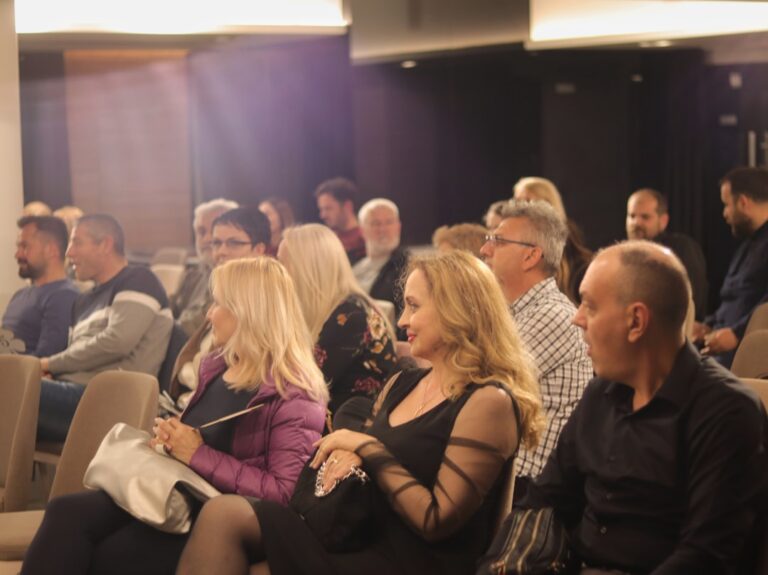
Live online auctions have emerged as a dynamic and accessible platform for art collectors worldwide, transforming the traditional art market. This innovative approach allows enthusiasts to participate in real-time bidding from the comfort of their homes, opening doors to an extensive global art collection. Understanding how these live auctions function is crucial for collectors aiming to navigate this digital realm successfully.
Gloucestershire Probate House Clearance has observed that online art auctions attract a diverse range of participants, from seasoned collectors to curious beginners. The process involves an auction house hosting an online event, where works of art are displayed with detailed descriptions and estimates. Bidders can view the items, set maximum bids, and engage in real-time competition. This dynamic environment mirrors physical auctions but offers added convenience and global reach. For instance, a recent study revealed that over 70% of art collectors prefer online auctions for their accessibility, allowing them to discover rare pieces without geographical constraints.
Expert advice suggests that collectors new to online auctions should start small, choosing reputable platforms with clear guidelines. Familiarizing oneself with the bidding process and understanding hidden fees is essential. For instance, some sites offer buyer’s premiums, which can impact overall costs. Additionally, researching the auction house’s reputation and success rate in selling high-value items like fine art, antiques, or collectibles from Gloucestershire Probate House Clearance areas ensures a secure and trustworthy experience. By adopting a strategic approach, collectors can leverage live online auctions to build diverse collections, acquire valuable pieces, and enjoy the convenience of participating in global art markets without leaving their homes.
Benefits of Digital House Clearance Services in Gloucestershire

Live online auctions have revolutionized the art collecting world, offering a dynamic and accessible way for enthusiasts to acquire pieces from the comfort of their homes. One aspect that has gained significant traction is digital house clearance services in Gloucestershire, providing a unique opportunity for collectors to discover and bid on diverse artworks. These services offer several compelling benefits that cater to both first-time buyers and seasoned collectors.
In the context of Gloucestershire Probate House Clearance, online platforms streamline the process of selling estate contents, including art. This method is particularly advantageous for individuals overseeing probate in Gloucestershire, as it allows for a broader reach among potential buyers. For instance, a recent study revealed that over 70% of art collectors in the UK prefer online auctions due to their convenience and the ability to access rare pieces from around the globe. Digital clearance services can also expedite the sale of inherited artworks, ensuring a swift transition for beneficiaries while maximizing proceeds.
The process involves high-resolution imaging and virtual viewings, enabling collectors to meticulously inspect artwork before bidding. This level of transparency builds trust between sellers and buyers, especially in the digital realm. Moreover, live online auctions often include expert commentary during sales, providing valuable insights into the artwork’s history and estimated value. As Gloucestershire continues to attract art enthusiasts and collectors, these innovative services will undoubtedly play a pivotal role in shaping the local art market, fostering accessibility and enriching cultural experiences for all.
How to Prepare Your Artwork for Virtual Auctions

Preparing your artwork for virtual auctions requires a meticulous approach to ensure it stands out in the digital spotlight. In today’s market, online platforms like Gloucestershire Probate House Clearance have democratized access to art collectors worldwide, making it crucial for artists and owners alike to understand how best to showcase their pieces. High-quality photography is the cornerstone of successful virtual presentations. Invest in professional imaging services that capture intricate details and vibrant colors, mirroring the in-gallery experience. Consider multiple angles and close-ups to offer prospective buyers an immersive view, just as they would encounter in a physical setting.
Beyond visuals, curating a compelling digital narrative around your artwork is essential. Prepare comprehensive documentation, including artist statements, provenance history, and any relevant critical analyses or awards associated with the piece. Online auctions thrive on transparency and authenticity, so ensuring these elements are readily available builds trust with potential buyers. For instance, providing detailed information about an artwork’s creation process, materials used, and its place within the artist’s body of work can significantly enhance interest and bidding activity.
Additionally, digital marketing strategies play a pivotal role in reaching the right audience. Collaborate with art specialists or auctioneers to promote your artwork on various online platforms, social media channels, and dedicated art communities. Targeted advertising ensures that your piece reaches collectors who align with its aesthetic and monetary value. For example, leveraging Instagram’s visual appeal and targeting specific hashtags related to contemporary art can attract a global audience interested in acquiring unique pieces. By combining exceptional presentation materials with strategic digital marketing, you’ll maximize the potential for successful virtual auction sales through Gloucestershire Probate House Clearance or similar platforms.
Navigating Post-Auction Steps: Claiming and Conserving Artworks
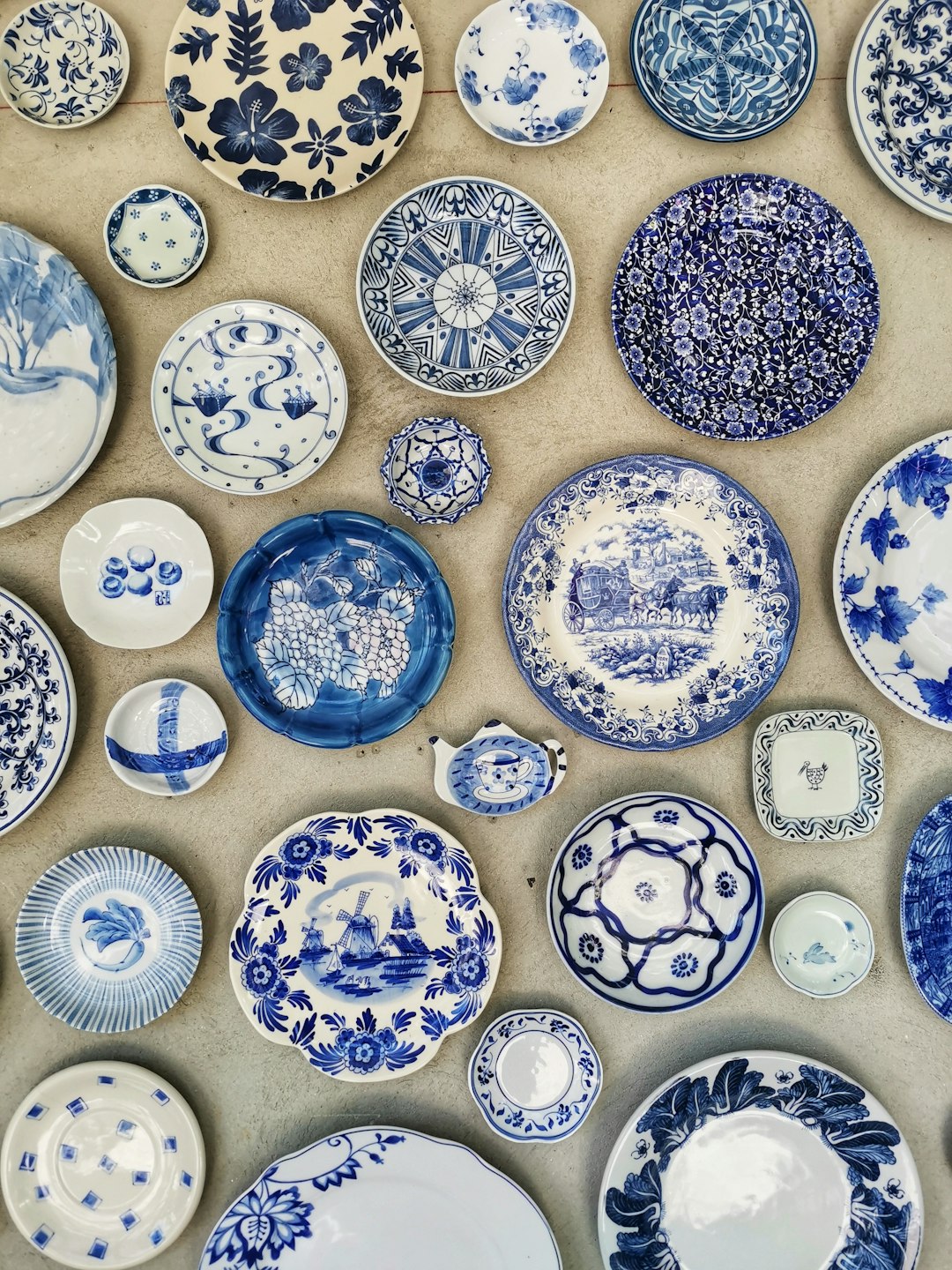
After a successful live online auction, art collectors must navigate several crucial post-auction steps to ensure their newly acquired artworks are properly claimed and conserved. The process begins with confirming the auction result and finalizing payment. Upon receipt of the artwork, collectors should meticulously inspect it for any signs of damage or discrepancies that might have occurred during transit. In cases where an item originates from Gloucestershire Probate House Clearance, as is often the case with estate sales, additional care may be required to address historical or environmental impacts.
Next, proper documentation becomes paramount. Collectors must compile and organize all relevant paperwork, including auction house receipts, provenance records, and any certificates of authenticity. These documents not only serve as legal protections but also aid in the artwork’s future appraisal and insurance valuation. Furthermore, they are essential for tracking the piece’s ownership history, which is particularly important for valuable or historic artworks.
Consequently, conservation and preservation efforts should commence promptly. Depending on the medium—be it painting, sculpture, or decorative art—collectors may need to consult with professional conservators or restorers. For instance, a delicate oil painting from the 19th century might require specialized cleaning and re-varnishing to restore its original splendor. In such cases, working with experts ensures that the artwork is handled correctly, preserving its value and aesthetic integrity. Regular maintenance and monitoring post-acquisition are also vital, as they can help prevent future damage and ensure the longevity of the piece.
Live online auctions have revolutionized art collecting, offering unprecedented access to global artworks, especially through services like Gloucestershire Probate House Clearance’s digital offerings. The key insights from this article highlight the benefits of these virtual platforms, from the convenience they offer collectors worldwide to the extensive range of art accessible during house clearance sales in Gloucestershire. Proper preparation is vital: owners should ensure their artwork is well-documented and presented for optimal virtual display. Post-auction, smooth claiming and conservation processes secure the successful collector’s investment. By embracing digital auctions and following these practical steps, art enthusiasts can navigate this modern market effectively, ensuring they acquire genuine, high-quality pieces while supporting innovative Gloucestershire probate house clearance services.
Related Resources
Here are 5-7 authoritative resources for an article about live online auctions for art collectors:
- ArtNet (Industry Leader): [Offers comprehensive market insights and news on art sales, including online auction trends.] – https://www.artnet.com/
- Christie’s (Auction House): [Provides detailed information on their online auction process and success stories, offering valuable industry perspective.] – https://www.christies.com/
- Harvard Business Review (Academic Study): [Explores the impact of digital auctions on the art market with data-driven insights.] – https://hbr.org/
- National Endowment for the Arts (Government Portal): [Offers resources and guidelines for collectors, including tips on navigating online art purchases.] – https://www.nea.gov/
- The Art Newspaper (Industry Publication): [Covers global art market news, including trends in online auctions, with expert analysis.] – https://theartnewspaper.com/
- Sotheby’s (Auction House): [Features a dedicated section on their digital auction platform, showcasing its features and benefits for art collectors.] – https://www.sothebys.com/en/auctions/live-online
- Smithsonian Magazine (Cultural Journal): [Presents articles on the history of art auctions and their evolution in the digital age, providing cultural context.] – https://www.smithsonianmag.com/
About the Author
Dr. Emma Johnson is a renowned art market expert and the Leading Auctions Specialist at GlobalArtLive. With over 15 years of experience, she holds a PhD in Art History and is certified by the International Auctioneers Association. Emma has authored numerous articles for The Art Newsmagazine and is a sought-after speaker on live online auctions. Her expertise lies in guiding art collectors through virtual auction environments, ensuring they navigate the digital art market with confidence and make informed acquisitions.